When Philanthropy Meets Investment: 1% for the Planet’s Impact Fund at NPT is Fueling the Future of Nature-Based Solutions
Despite headlines that focus on increasing change and decreasing resources, an immense supply of hope can be found when mindful measures and investment expertise join forces for good. For donors who believe their resources can shape both financial and social returns, this is the moment to engage with purpose.
1% for the Planet’s Planet Impact Fund, created in partnership with CapShift and National Philanthropic Trust, is a beacon for such measures. By combining the power of philanthropy with a strong portfolio of environmentally focused investments, the Planet Impact Fund provides financial support to organizations around the world implementing nature-based solutions and other critical strategies for the benefit of the planet and future generations.
The challenges facing our planet are immense, but so is the potential for change when we work together.
Per 1% for the Planet CEO Kate Williams, collaboration and vision are the keys to success: “The challenges facing our planet are immense, but so is the potential for change when we work together. The Planet Impact Fund demonstrates what’s possible when we commit to solutions that honor both people and the planet. Our partnership with National Philanthropic Trust enables us to turn donor intention into meaningful action—supporting nature-based strategies that strengthen communities, restore ecosystems, and build a livable future for all.”
Since the Planet Impact Fund deploys capital into impact investments, all gifts made to the fund are aligned with the grantmaking strategy and invested in a mix of companies, with a focus on renewable energy, sustainable forestry, biodiversity innovation and green infrastructure, thus doubling the impact of donors’ generosity. A gift today is also a gift toward tomorrow.
Working to directly accelerate progress on the United Nations’ Sustainable Development Goals, 1% for the Planet maintains four Impact Areas: Rights to Nature, Conservation & Restoration, Resilient Communities, and Just Economies. In accordance with the concept of the fund, 10% of the Planet Impact Fund’s balance is granted to four organizations selected to represent each of the impact areas. Each organization receives an equal amount of unrestricted funding, as the grantmaking strategy is guided by trust-based philanthropy.
The recipient organizations are based all around the world, and each organization embodies a unique perspective and approach to the idea of “nature-based solutions.” What unites each organization—and thus ensures that their work blends harmoniously with the mission of 1% for the Planet—is the understanding that the earth holds the solution to what ails it, and us.
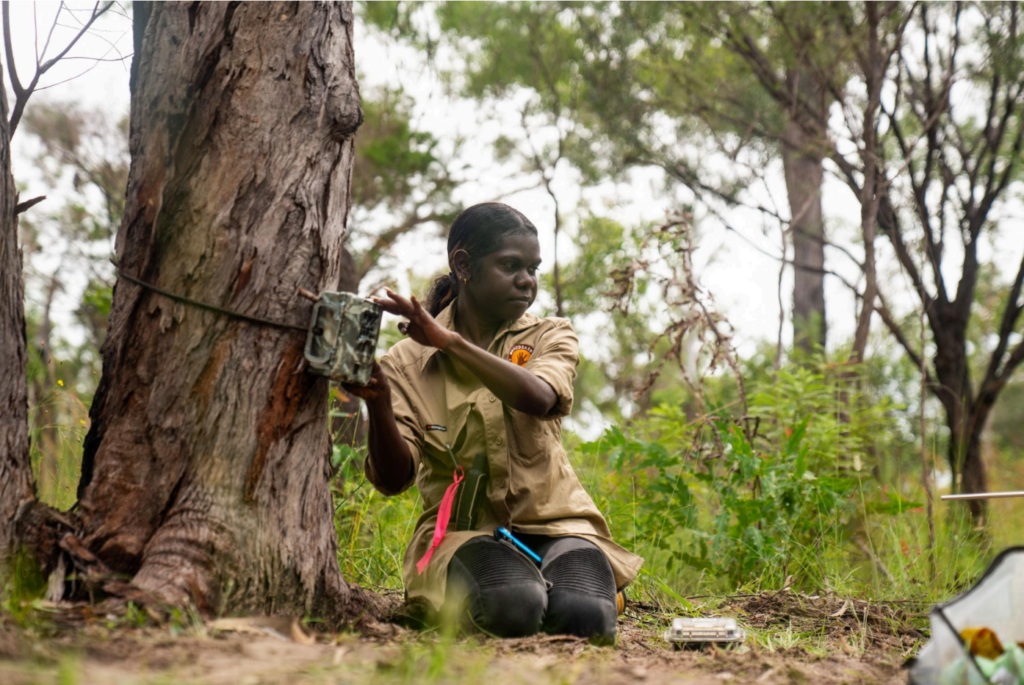
Partnering with Indigenous Australians to Maintain Their Communities’ Rights to Nature
Karrkad Kanjdji Trust (KKT) supports First Nations communities in Arnhem Land, in Australia’s Northern territory. They address 1% for the Planet’s Impact Area of Rights to Nature through their work to preserve native biodiversity, combat climate change, create meaningful and equal employment opportunities, and support the continuation of the “world’s oldest living culture.”
With support from the Planet Impact Fund, Karrkad Kanjdjj Trust deployed 220 wildlife cameras across six clan estates, engaged 51 Traditional Owners and Indigenous rangers, provided five daluk (women) with the opportunity to earn drone survey training badges, and more. For KKT, this work demonstrates how “local tech skills and Indigenous knowledge work hand-in-hand for species recovery.”
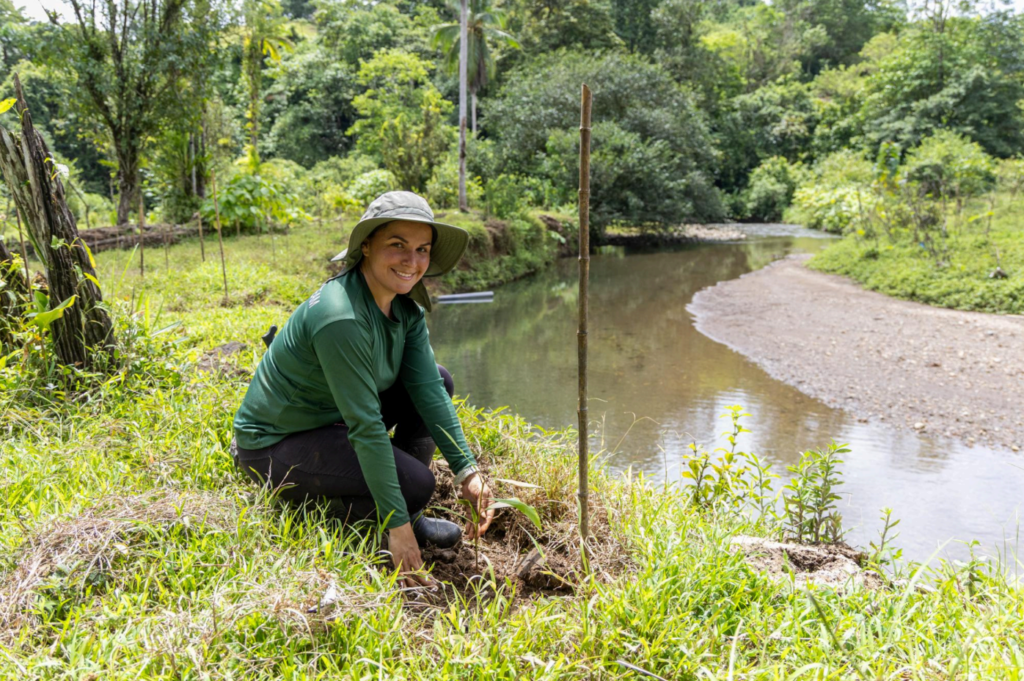
Creating Connections Through Conservation and Restoration in Costa Rica
Another grant recipient was Osa Conservation, an organization dedicated to collaborating with local communities, government officials, and global leaders to create a “climate adaptive biodiversity corridor” across southern Costa Rica. This organization faces conservation and restoration head-on, building resilience for both people and nature by implementing ecosystem stewardship, enhancing scientific understanding, providing education and training, and creating sustainable economic opportunities.
Osa has planted 252,000 trees—representing more than 300 native species—across mangrove and terrestrial habitats. Restoration efforts also succeeded, totaling more than 125 hectares of maintained or newly-restored land. By reconnecting this formally fragmented environment, many species can now move upslope to cooler and more suitable habitats. Through their efforts, Osa has made great strides in building climate resilience for people and nature in the region.
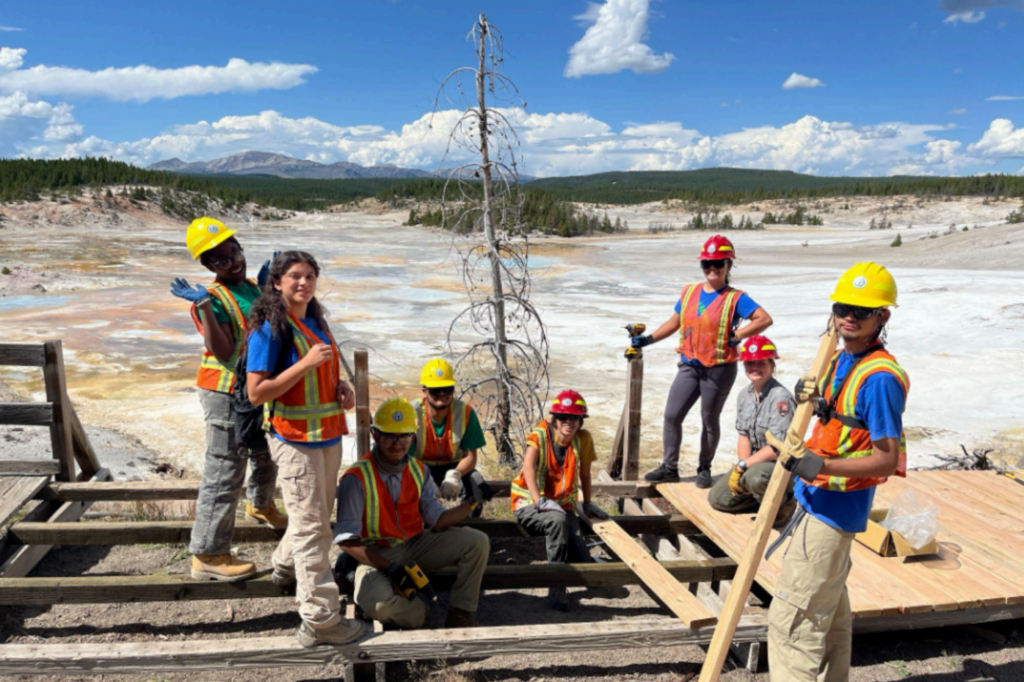
Resilient Communities Grow from the Ground, Up
Groundwork USA is a U.S.-based grant recipient of the Planet Impact Fund and serves the Resilient Communities impact area. This multifaceted organization works at the intersection of environmental, equity, and civic engagement to holistically transform the natural and built environment of under-resourced communities. By stewarding a network of environmental justice organizations—called Groundwork Trusts—they are advancing strategies to improve the health and well-being of all.
The “Groundwork Network” collectively planted 3,954 trees in 2024. Groundwork engaged the local community in this work, involving more than 1,100 residents in tree planting and stewardship and providing workforce development training to 150 youth and young adults.
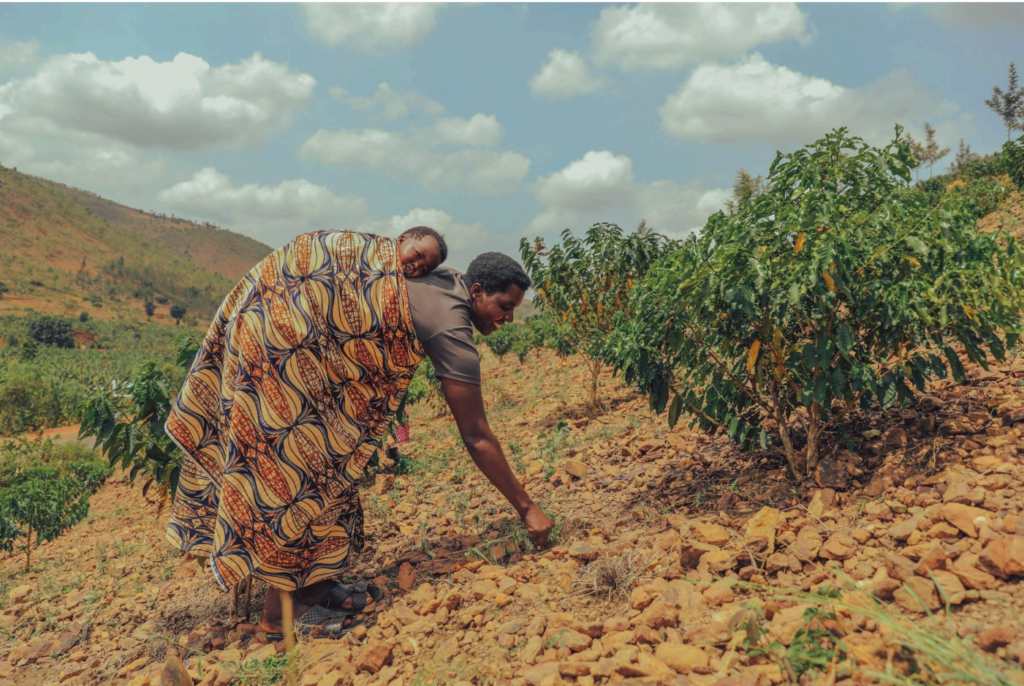
Kula Project Forges the Link Between Agricultural Entrepreneurship & a Just Economy
Kula Project is an organization based in Rwanda that develops entrepreneurship amongst coffee-growing communities, connecting the climate and social focuses of the Just Economies impact area. Kula Project’s goal is to eradicate poverty by focusing on the entrepreneurial development of female farmers through the sustainable growth of their coffee businesses and the creation of new microenterprises, while simultaneously teaching them how to care for the land they depend on.
Among recent achievements are their partnerships with 600 smallholder coffee farmers through Kula Fellowship in Rwanda. According to Kula Project, on average, one year after graduating from the program, farmers triple their household income and double their coffee harvest.
The Planet Impact Fund, now entering its fourth year, continues to deliver “impact” in more ways than one. With growing participation from donors, the Planet Impact Fund is positioned to expand its reach in the number of organizations or the amount of grant funding provided. This increased potential is made possible by the generosity of those committed to advancing nature-based solutions that benefit not only the planet, but communities around the world as well.
For more details on supporting these impact initiatives, visit 1% for the Planet’s FAQ guide.
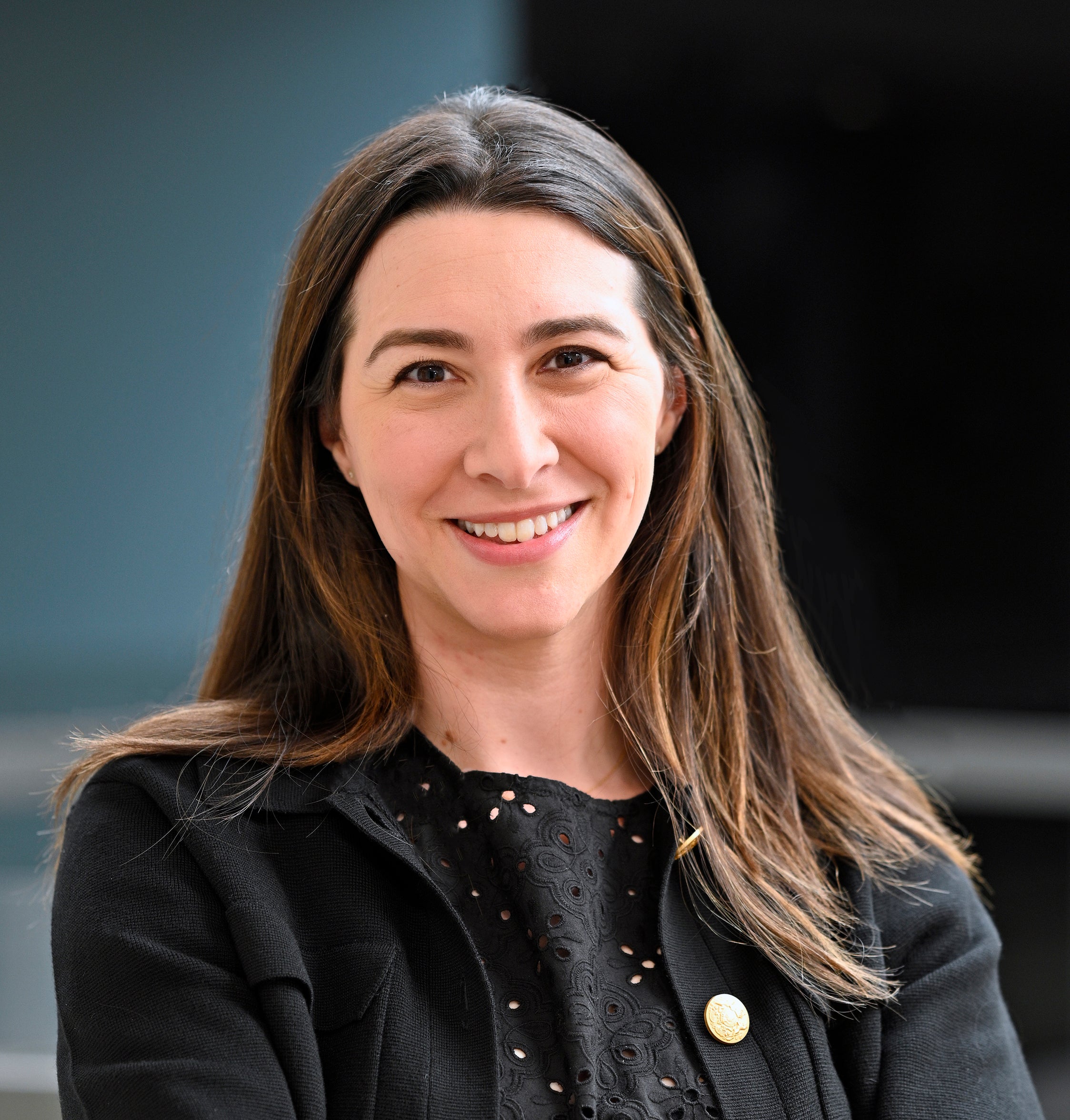
About the Author
Madeleine Grant Berman, CAP®, is a Director of Philanthropic Solutions with more than 15 years of experience in philanthropy. She partners with family offices and private clients to design and implement customized philanthropic and grantmaking strategies that advance meaningful impact. Madeleine earned her Bachelor of Arts in Art History with highest honors and her Master of Science in Nonprofit Leadership, both from the University of Pennsylvania.
NPT is not affiliated with any of the organizations described herein, and the inclusion of any organization in this material should not be considered an endorsement by NPT of such organization, or its services or products.
The Philanthropist
Other Posts You May Like