Count Me In: Excellence and Equity at the School of American Ballet
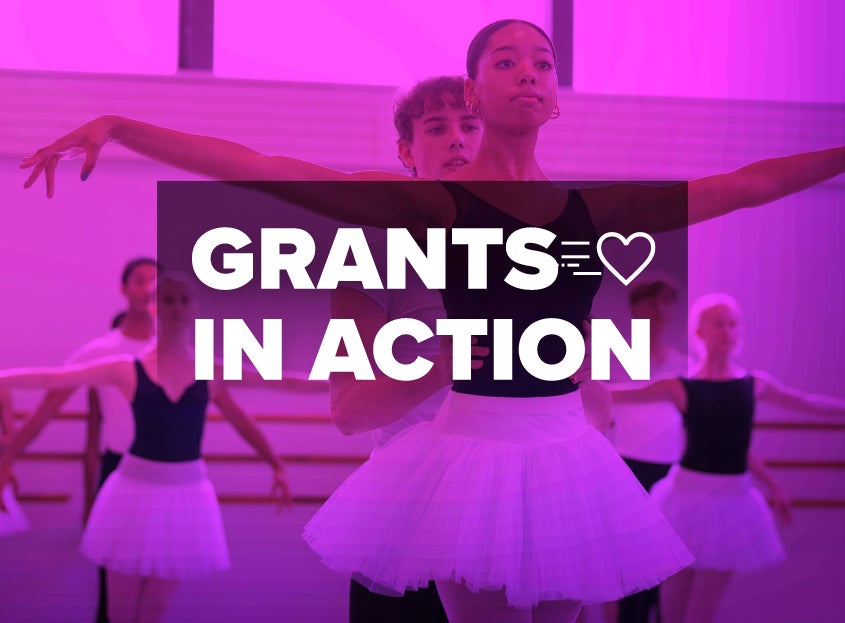
Founded in 1934 by legendary choreographer George Balanchine and philanthropist Lincoln Kirstein, the School of American Ballet (SAB) in New York City has long stood as one of the world’s premier ballet training institutions. For generations, the school has trained young dancers in the rigorous classical technique that defines Balanchine’s legacy — technique familiar to the millions who’ve seen The Nutcracker over the past 70 years.
Today, SAB provides students ages 6 to 18 with intensive ballet instruction alongside comprehensive physical therapy, conditioning, and wellness support. Part of what keeps this mission in motion is support from philanthropists using donor-advised funds (DAFs) at National Philanthropic Trust.
Setting the Stage
“Our mission is to train young people for professional careers in classical ballet. Beyond training dancers, we’re also in the business of developing young people,” says Carrie Hinrichs, Executive Director of the School of American Ballet (SAB).
SAB alumni are currently dancing with 80 companies around the world. But the success of SAB alumni isn’t limited to ballet, as many alumni have gone on to become leaders in business, fashion, law, and more. Fashion designer Vera Wang is just one notable alumna.
Hinrich continues, “When our students leave us — whether they go on to professional careers, as many do, or they move on to other things — everything they learn here, the discipline, the focus, the work ethic, the ability to take feedback, to collaborate, to be creative, all of those things, they serve them through their lives.”
An “engine” for the field, SAB produces virtually all of the dancers for the internationally lauded New York City Ballet, with which SAB is affiliated. This echoes Balanchine’s vision for the school where his SAB students would become his dancers, eventually returning to the school to train the next generation, perpetuating a cycle of artistic development and support that flourishes to this day.
How Philanthropy Plays a Role
The school is supported in part by tuition, but nearly 40% of SAB’s annual operating budget comes from annual philanthropic gifts. The role of donor support for SAB cannot be overstated, Hinrichs explains. “Here at SAB, we simply couldn’t offer the robust program we offer our students — having the best faculty, the best facilities, the best health and wellness programs, the whole thing — we simply couldn’t do it without philanthropy,” says Hinrichs. “We have 600 students in our year-round program, and then another 350 students who are with us for our summer programs. More than 950 students, and philanthropy supports every one of them.”
DAFs Help Make the Dream Work
Accessibility and equity are major focal points for the school. Recently, SAB expanded their existing space in the Rose Building at Lincoln Center. “Before we had the new center, we had such an uneven experience for our intermediate and advanced students. Folks who could afford to go out for extra strength and conditioning and PT and nutrition would do it on the outside, but a lot of students weren’t in that position. Now, it’s all incorporated into the SAB experience for every student,” Hinrichs explains. It’s a huge step forward in terms of equity, and projects like this are only possible with the support of philanthropists.
Donors using donor-advised funds (DAFs) to conduct their philanthropy often cite their flexibility and ease of use as reasons why their giving is active and consistent. It makes sense as to why, then, an increasing number of donors who recognize the power and importance of SAB’s vision have been giving through DAFs. “I’ve seen DAF giving explode in terms of the way our donors are doing their giving,” Hinrichs notes. “Last fiscal year, we had over a million dollars in support through DAF gifts. Over the past five years, that amount of support has increased by 13%, and the number of DAF gifts has increased by 55%.”
“We’re seeing it at all levels of giving, from the smaller donors to our largest donors,” Hinrichs continues. “What we hear from donors is that it’s easy. It’s basically ‘one-stop,’ and it just makes things much, much easier for them on the administrative side. Because it’s less complicated, they feel like they can be more impactful with their giving.”
After School
Former students often attribute their successes in life to their time at SAB, says Hinrichs. “It’s maybe what you would expect — the focus, the discipline, the drive — but I think there’s something unique to the experience of being in a ballet studio every day, doing the exact same things and trying to do them better. Just trying to do one thing better every day, you internalize that,” she says. “Former dancers surprise people all the time by what they’re able to accomplish. It’s that discipline in the studio that you cultivate over the years. That’s a superpower.”
About the Author
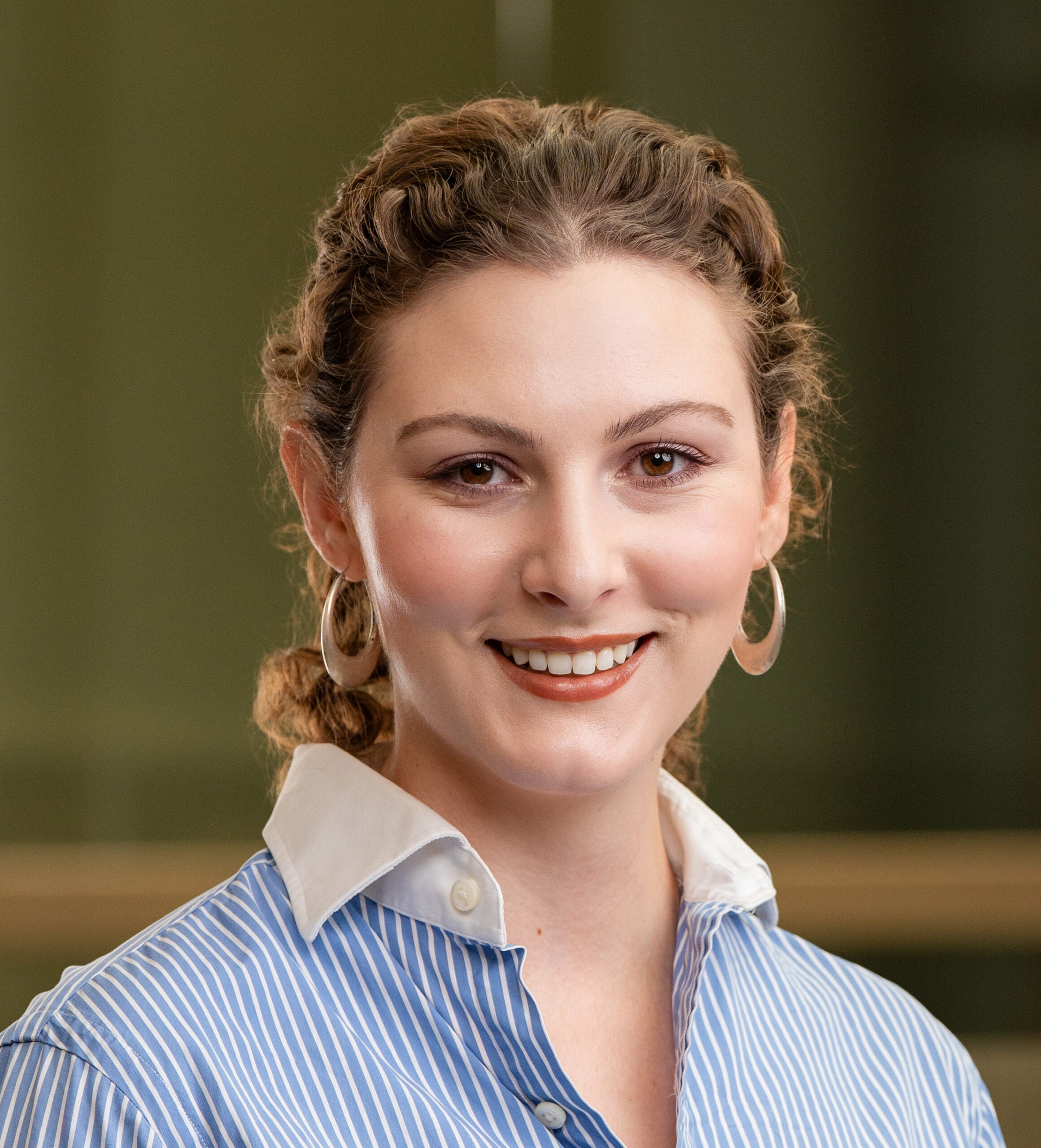
Kathryn Lena Kochanowicz is a Content Specialist at National Philanthropic Trust. She graduated from Gettysburg College with a degree in English Literature & Creative Writing, and currently resides in Hatboro, PA.
NPT is not affiliated with any of the organizations described herein, and the inclusion of any organization in this material should not be considered an endorsement by NPT of such organization, or its services or products.
NPT does not provide legal or tax advice. This blog post is for informational purposes only and is not intended to be, and shall not be relied upon as, legal or tax advice. The applicability of information contained here may vary depending on individual circumstances.
The Philanthropist
Other Posts You May Like