Why Sustainable Growth Now Depends on Advanced Planning

For advisory firms, growth has always mattered. But in today’s environment — marked by fee pressure, demographic change, and rising client expectations — how firms grow matters more than ever.
Organic growth is no longer just about adding new households. It’s about deepening existing relationships, expanding wallet share, and delivering a differentiated experience that clients can’t easily replicate elsewhere. Firms that get this right aren’t just growing faster — they’re retaining assets longer, generating more referrals, and positioning themselves for continuity across generations.
Recent industry research reinforces this shift. Advisors who adopt structured, intentional growth strategies — client segmentation, proactive planning, and targeted engagement—are seeing measurable improvements in retention, referrals, and operational efficiency. Sustainable growth today is less about products and more about relevance.
One of the most effective — and underutilized — ways to build that relevance is through advanced planning, particularly when it includes philanthropy as a core strategy rather than a year-end conversation.
Advanced Planning Is the New Differentiator
Advanced planning is no longer reserved for a small subset of ultra-high-net-worth clients. As wealth becomes more complex and family structures more dynamic, clients increasingly expect advisors to help them stress-test income strategies, optimize tax outcomes, and plan intentionally for generational transitions.
Philanthropic planning sits squarely within this evolution. It intersects with tax strategy, estate planning, liquidity events, and family governance—making it a natural extension of sophisticated advice. When advisors integrate philanthropy thoughtfully, it elevates the relationship from transactional to strategic.
Donor-advised funds (DAFs) have become central to this shift. According to the 2025 Annual DAF Report from the Donor-Advised Fund Research Collaborative, DAFs held $326.5 billion in total assets, up more than 27% year over year, at the end of 2024. In that same year, donors contributed $89.6 billion to DAFs and recommended $64.9 billion in grants to charitable organizations. The total number of DAF accounts reached a record 3.6 million, reflecting the continued mainstreaming of these vehicles as core planning tools.
Here at National Philanthropic Trust (NPT), we’re seeing this trend continue. In 2025, NPT saw $10.1 billion in donor-recommended grants distributed to more than 50,000 nonprofits across the U.S. and in 67 countries worldwide. That total is a 72% increase over the previous year’s total, and a new high-water mark for donor activity at NPT.
These figures reflect not just generosity, but growing demand for flexible, tax-efficient tools that integrate seamlessly into broader wealth strategies.
Philanthropy as a Driver of Organic Growth
Despite this momentum, the tendency can still be to treat philanthropy as a secondary topic — something to revisit toward the end of year. That approach increasingly leaves value on the table.
When incorporated early, philanthropic planning can directly support organic client growth by:
- Strengthening retention through values-based engagement
- Expanding wallet share, especially around non-cash assets and liquidity events
- Improving generational continuity and trust, as heirs are engaged before assets transition
DAFs are particularly effective because they remove friction. They allow clients to contribute a wide range of assets — including publicly traded securities, private business interests, non-cash assets, and alternative investments — often at moments when planning complexity is highest. The 2025 DAFRC report also shows that payout rates remain robust at approximately 25%, far exceeding the 5% minimum required of private foundations—underscoring that these assets are being actively deployed.
Turning Liquidity Moments into Long-Term Relationships
Liquidity events such as the sale of a business are pivotal moments in a client’s financial life. For advisory firms, they are moments of both opportunity and risk. Without proactive planning, they can become points where assets move or relationships reset.
DAFs offer advisors a way to convert one-time liquidity events into long-term strategies. By incorporating charitable planning alongside tax, estate, and investment considerations, advisors can help clients move from transaction to legacy — while reinforcing their role as the central coordinator of the relationship.
This approach also supports the massive generational wealth transfer already underway. As trillions of dollars move to heirs over the coming decades, advisors who help families articulate shared priorities — and build structures around them — are far better positioned to retain assets across generations.
Planning for Purpose Starts Now
Crucially, this kind of planning is not a year-end exercise. Even as we close the first quarter of the year, now is precisely the time for advisors to incorporate philanthropy into client conversations. Early-year planning allows charitable strategies to be aligned intentionally with tax planning, cash-flow modeling, liquidity events, and estate considerations — rather than being rushed or reactive.
When philanthropy is treated as part of advanced planning — not a seasonal tactic — it becomes a powerful driver of organic firm growth. It deepens relationships, differentiates advisory practices, and helps ensure that wealth planning reflects the full complexity of clients’ financial and personal goals.
Growth, ultimately, isn’t just about scale. It’s about staying vital. And in today’s advisory environment, integrating philanthropy early and strategically may be one of the most effective ways to do both.
About the Author
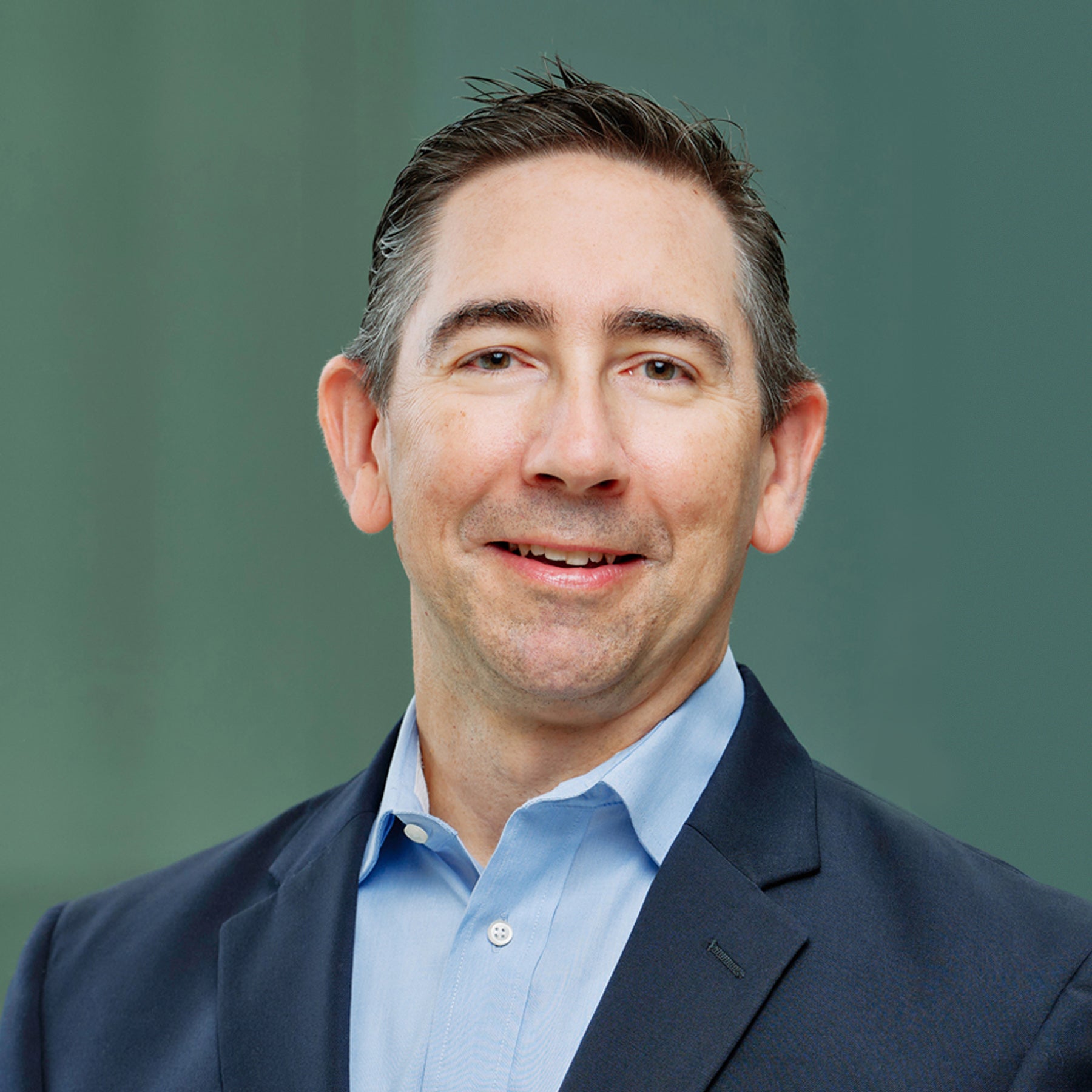
Matthew B. Rovi is Chief Growth Officer for NPT and has more than 25 years of experience serving financial intermediaries. He currently serves as Board Chair for Chester County Futures, a nonprofit that provides comprehensive academic support for motivated, economically disadvantaged youth.
NPT does not provide legal or tax advice. This material is for informational purposes only and should not be relied upon as legal or tax advice. The applicability of information contained herein will vary depending on individual circumstances.
The Philanthropist
Other Posts You May Like