Youth Villages: Forging Resilience and Networks of Support for Youth and Families in Need
Problem child.
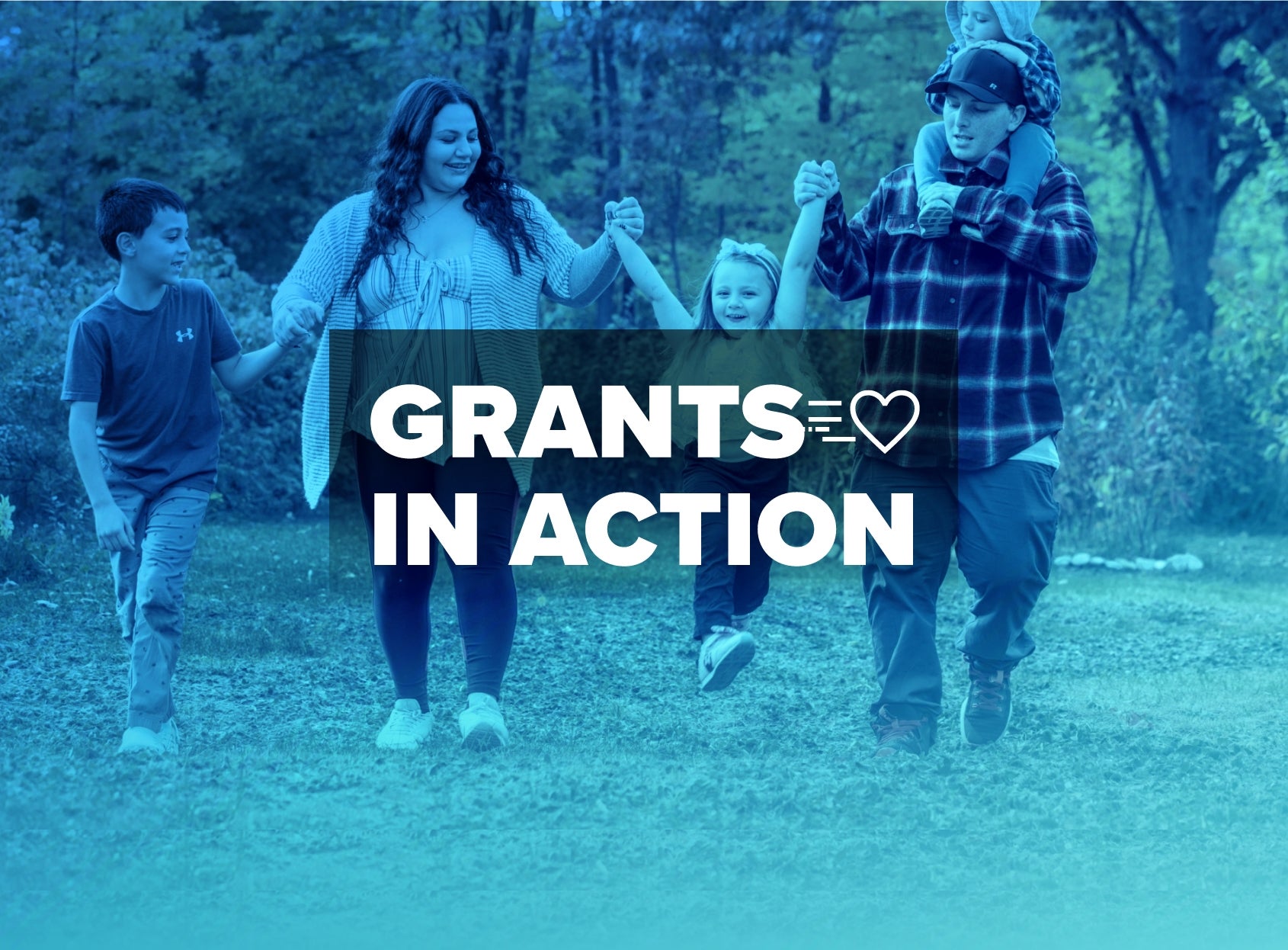
It’s a simple and easy label to apply to children for whom nothing is easy, or simple. In reality, every “problem child” is just a kid trying to do their best to get through the day to day, along with families that are trying to do the same. As the adage says, “it takes a village to raise a child.” Youth Villages helps kids who challenge traditional mental and behavioral health solutions, with an emphasis on keeping family units together, maintaining stability for children throughout their participation in Youth Villages programming.
“We’re an organization deeply committed to radically improving outcomes for children and families and young adults who have the greatest challenges in our country. We have evidence-based programs that deliver the best results to help those populations,” says Richard Shaw, Chief Development Officer for Youth Villages. “Our goal is to ensure that every young person in need of those services receives them.”
The Support System Children Need
Approximately 20 million of today’s youth (in the U.S) can currently be diagnosed with a mental health disorder, and existing in the context of foster care can exacerbate these struggles, with studies revealing that up to 80% of children in foster care have reported experiencing mental health issues. This is compared to only 18-22% of the general U.S. population experiencing mental health issues. Foster care alumni are also five times more likely to experience PTSD (Post-Traumatic Stress Disorder) compared to the general U.S. adult population.
Youth Villages serves children from birth to 22 years old, and more than 85% of those served are dealing with multiple challenges, such as learning and developmental disabilities, family instability, as well as emotional and behavioral issues. For children in especially difficult or vulnerable circumstances, such as those currently in foster care or recent aged out of foster care, Youth Villages services empower healing and growth, while working diligently to keep families together whenever possible.
“It’s a population that’s often hidden from view, but it’s in plain sight. There are kids all around us who have experienced trauma and are experiencing mental health challenges in our country right now. We exist because we understand that there’s a better way to serve this population so that they become productive citizens, successful children, and thriving families,” says Shaw. “You can make a huge difference with a group of people who have tremendous resiliency—they just need some support at the right moment in their lives”
What comes after foster care?
One of Youth Villages’ programs, LifeSet, seeks to address a critical support gap for thousands of kids across the country. Every year, around 20,000 kids age out of the foster care system, many of them without a stable support system or home life. 22–30% of youth who age out experience homelessness during the transition to adulthood, compared to a 4% lifetime rate for the general population. LifeSet is an individualized, evidence-based community-based program where specialists meet with participants face to face at least once a week, communicating regularly. LifeSet specialists can stabilize difficult situations and help young people build healthy relationships, obtain safe housing, education, and employment.
Youth Villages employs third-party research firms to collect data and analyze the successfulness of its programs, and LifeSet has been shown to have improved participants’ mental health by 13% and reduced homelessness and domestic/partner violence by 22% and 30%, respectively.
The Role of Philanthropy
Philanthropy makes this sort of analysis—and the growth that comes from it—possible. “Philanthropy is what I consider ‘what’s possible’ money. We use the money that we raise in philanthropy to scale, evaluate, test, unlock public funding, create new programs, deliver better technology, and improve facilities. Those are things the government is not going to pay for and has never paid for,” says Shaw. Outside evaluation is essential for creating programs that have positive results for participants, and philanthropy helps to remove obstacles from this critical lane of development.
Shaw explains that philanthropy empowers nonprofits to invest in themselves. “Ten years ago, we were serving 22,000 kids in 11 states. This year, we’re serving 47,000 across 29 states, plus the District of Columbia. That’s all from scaling our work through funding that has come from large institutional investors, DAFs, and private foundations,” he says. “It’s philanthropy that has made the biggest difference for us in the last 10 years.”
Donors with donor-advised funds (DAFs) are at the forefront of philanthropic giving technologically and strategically, and the flexibility unrestricted grantmaking through a DAF affords nonprofits allows them to evolve into more knowledgeable and effective organizations, increasing their positive impact. “People who are motivated by doing something best-in-class, who are motivated by metrics, data, and results—those are people who would want to set up a DAF or have set up a DAF,” notes Shaw.
To donors who are concerned that unrestricted grantmaking may lead to “too much” of their gift going towards organizational overhead? “You want to be efficient, but you want to be effective, and you’re never going to be effective without overhead and that’s just that’s the truth. If it’s 10 or 9%, you’re probably not being fully transparent to your base. Efficiency is important but effectiveness carries the day, and that’s what you should care about as a donor,” Shaw explains.
Sustained unrestricted grantmaking increases organizational capacity, shrinks the waiting lists, and propels advancements that lead to better results for kids. Shaw cites unrestricted grantmaking as having been especially helpful to Youth Villages’ development and current 89% participant success rate. “Unrestricted giving has been huge. There’s a level of trust and respect with unrestricted giving. If you really believe in the cause and you’ve done your research, you know you’re investing in an organization that has credibility and can deliver impact, and it’s the best way to help organizations.”
About the Author
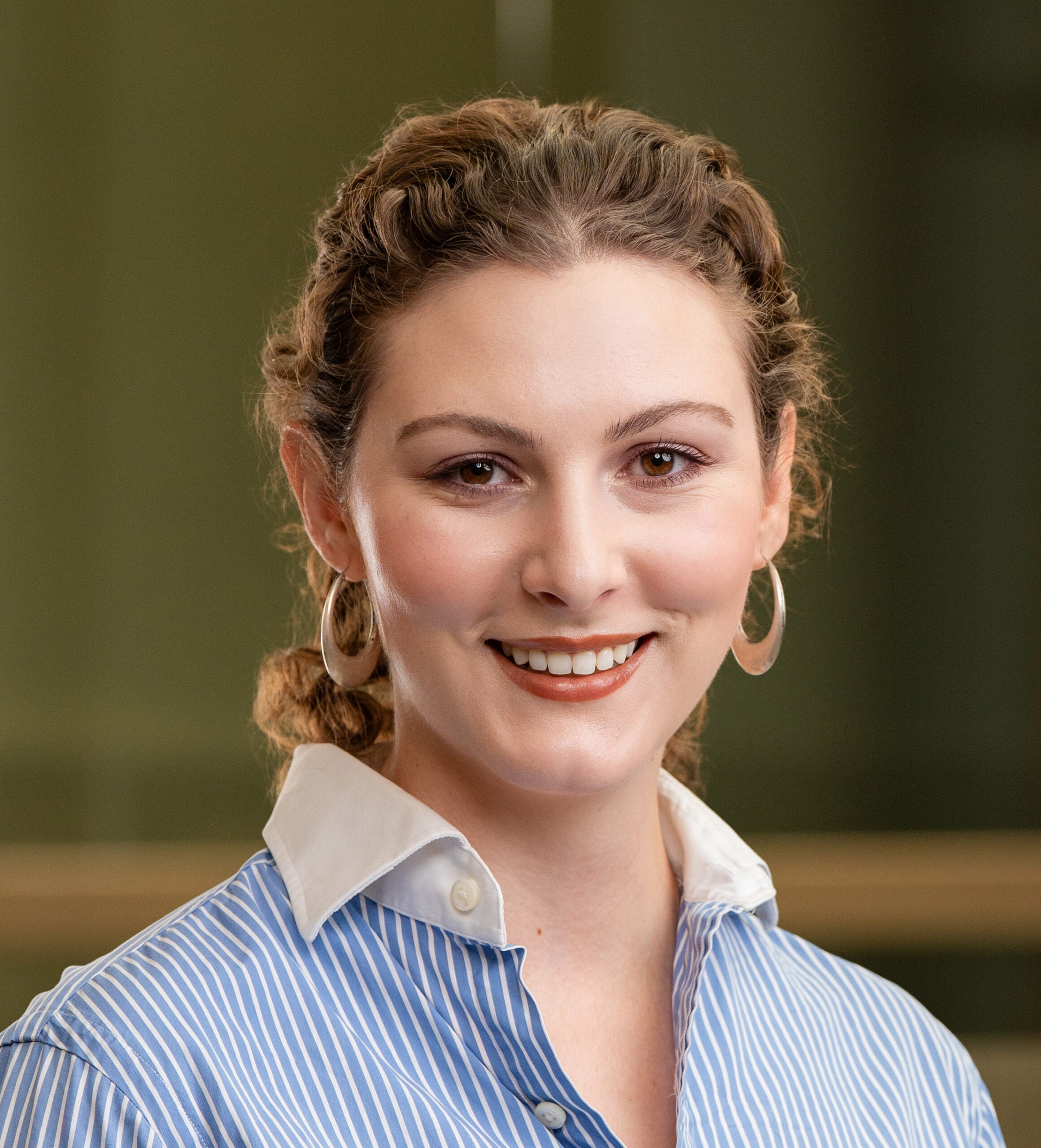
Kathryn Lena Kochanowicz is a Content Specialist at National Philanthropic Trust. She graduated from Gettysburg College with a degree in English Literature & Creative Writing, and currently resides in Hatboro, PA.
NPT is not affiliated with any of the organizations described herein, and the inclusion of any organization in this material should not be considered an endorsement by NPT of such organization, or its services or products.
NPT does not provide legal or tax advice. This blog post is for informational purposes only and is not intended to be, and shall not be relied upon as, legal or tax advice. The applicability of information contained here may vary depending on individual circumstances.
The Philanthropist
Other Posts You May Like