The Entrepreneurial Mindset and Modern Philanthropy

The entrepreneurial mindset is exemplified by those who have identified a gap or need in a given market and develop either an original product or system or significantly improved product or system that addresses the identified need.
Similarly, a philanthropist seeks to identify an area of need, or “gap in the market,” where their support can achieve the greatest positive impact.
Highly effective philanthropists — like entrepreneurs, founders, and executive leaders — are pragmatic, solving complex problems through long-term thinking, resource allocation, and strategic decision making.
These individuals are builders in society, sharing a sense of vision for what the world could be like and the determination to bring that vision to fruition.
Building Flexibility into the Blueprint
No philanthropic mission can be achieved in a day, or with one almighty gift, just as no business is created and made successful in a day. Success in either arena develops strategically, over time.
Because neither business leaders nor financial advisors nor philanthropists know exactly what will happen in the future, building flexibility into a philanthropic strategy is essential. Donor-advised funds (DAFs) provide that flexibility. They can also utilize some of the same tools that are often used for generating for-profit wealth to generate philanthropic impact. Just as entrepreneurs build businesses and advisors build financial plans, donors use DAFs to build philanthropic strategies over time.
Capital as a Tool for Impact
Liquidity events such as the sale of a business, IPOs, appreciated stock, or concentrated positions can be defining moments in a client’s wealth journey, and powerful inflection points for advancing their philanthropic goals. With thoughtful preparation, DAFs can help transform these assets into a flexible source of charitable capital, enabling clients to convert the momentum of a wealth event into meaningful, long-term impact before, during, and after the transaction.
Building a Philanthropic Platform
While invested assets accrue value in the DAF, donors can take the necessary time to consult with advisors, philanthropic consultants, family, and friends to develop a philanthropic strategy that best suits their motivations and giving goals.
Without a defined plan for giving, donors end up giving one-off checks to a smattering of nonprofits at random intervals. Irregular giving does not serve the best interests of either donors or nonprofits. Consistent and routine support from a DAF helps nonprofits address immediate needs, plan for the future, deepen their impact, and scale their efforts. The DAF vehicle enables consistency and stability in giving, providing the same for nonprofits on the receiving end.
The Shared Psychology of Builders
Builders are stewards of legacy, innovative problem solvers, and relationship managers.
DAFs provide donors with the space and time to consider their philanthropic motivations and goals, while allowing for necessary flexibility as times, goals, and priorities change.
With planned, consistent giving through a DAF, there’s an opportunity to deepen relationships: between advisor and client, donor and nonprofit, donors and family members involved in giving, and more. Because of these improved relationships, a greater wealth of expertise can be leveraged if dilemmas or complications arise along the giving journey, enabling more effective problem-solving.
Another aspect of builders to be considered is age. The most recent studies indicate that the next generation — who will inherit trillions over the next few decades — deeply value philanthropy, aspire to maintain long-term relationships with favored nonprofits and causes, and favor more tech-forward charitable giving vehicles like DAFs. The eldest Millennials will be hitting their mid-forties this year, and their potential for experiencing significant liquidity events should be seriously considered.
From Wealth Creation to Impact Creation
Modern philanthropy is becoming increasingly strategic, keeping pace with the complexity of modern life. The builders among us are a strong element determining the flow of philanthropic support. Philanthropic planning is no longer a matter of wholesale transition — from creating wealth in the early part of life, to creating impact in the latter part of life — but a facet of financial planning that runs alongside wealth creation. It’s just the purpose of the wealth creation that’s transitioning.
About the Author
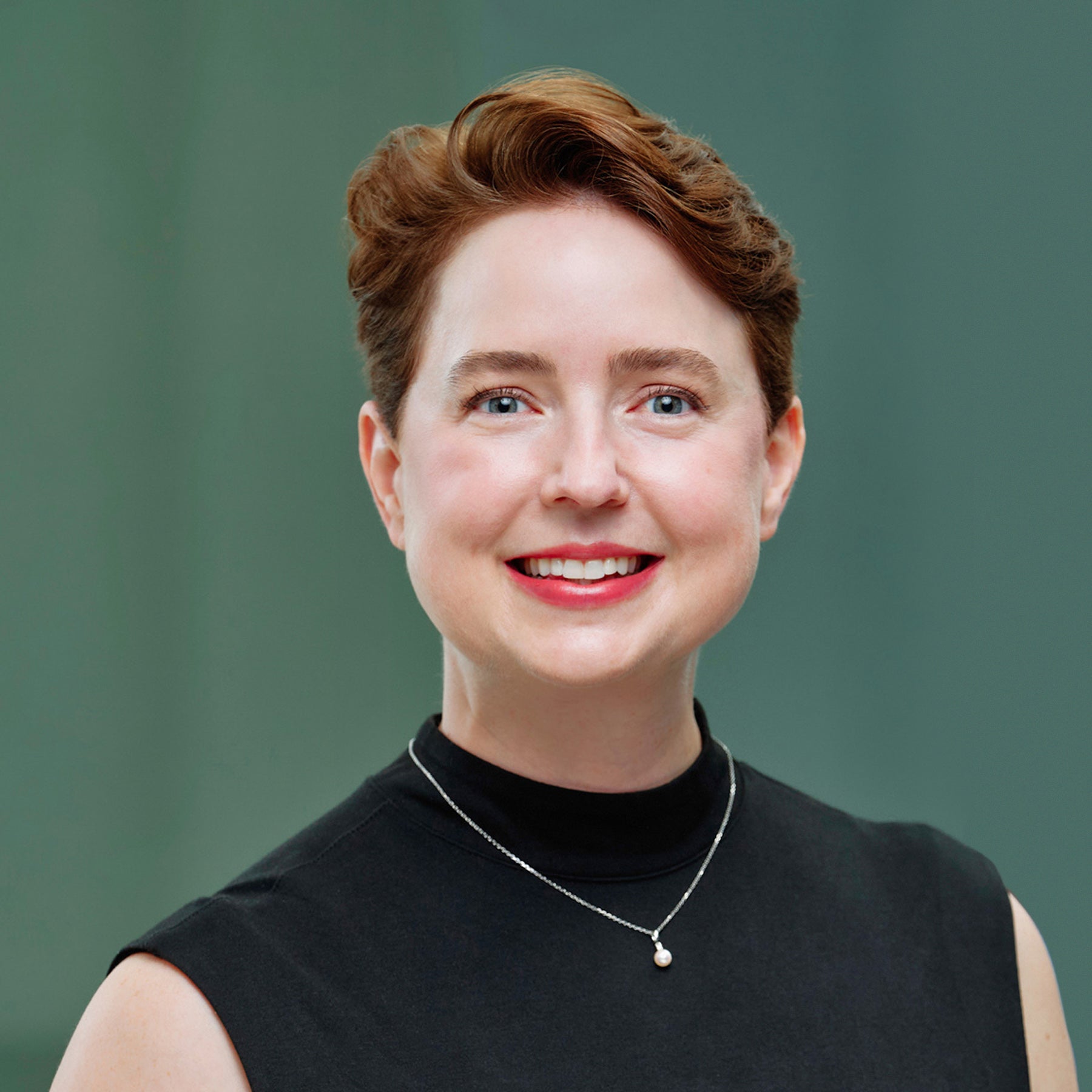
Lisa Barr, CAP® is Senior Vice President, Advisor Development, West at National Philanthropic Trust. She leads the U.S. West team of Regional Directors. She cultivates relationships with financial advisors, providing consultative support to help clients achieve their philanthropic goals. She is based in San Francisco, CA.
NPT is not affiliated with any of the organizations described herein, and the inclusion of any organization in this material should not be considered an endorsement by NPT of such organization, or its services or products.
NPT does not provide legal or tax advice. This blog post is for informational purposes only and is not intended to be, and shall not be relied upon as, legal or tax advice. The applicability of information contained here may vary depending on individual circumstances.
The Philanthropist
Other Posts You May Like