A Guide to Using DAFs and Charitable Remainder Trusts

For many advisors, charitable planning conversations begin with a specific issue: exiting a highly appreciated asset, anticipating an upcoming liquidity event, planning for retirement income needs, or helping a client reduce tax liability while supporting charitable causes.
However, effective philanthropic planning is becoming less about planning for a specific event or selecting a single charitable vehicle, and more about coordinating charitable intent and impact across a client’s broader financial life.
That shift is particularly visible in conversations around Charitable Remainder Trusts (CRTs) and Donor-Advised Funds (DAFs). Each serves a distinct role and, when integrated thoughtfully, may help advisors support their clients with unified strategies for navigating income planning, tax efficiency, legacy considerations, and long-term charitable engagement.
For advisory firms, family offices, and institutional wealth platforms serving high- and ultra-high-net-worth clients, understanding how these giving vehicles complement one another is increasingly vital as philanthropy continues to become an integral facet of comprehensive wealth management.
The Role of CRTs in Advanced Planning
A CRT is an irrevocable charitable trust designed to provide income to one or more beneficiaries (including the donor) for a specified period and then distribute the remaining assets to charity.
CRTs are often utilized in scenarios involving highly appreciated assets, closely held business interests, or concentrated stock positions, or in retirement planning where a client seeks to balance charitable intent with income generation and tax efficiency.
There are two primary types of CRTs:
- A Charitable Remainder Annuity Trust (CRAT), which annually distributes a fixed dollar amount to its beneficiaries throughout the term of the trust.
- A Charitable Remainder Unitrust (CRUT), which annually distributes a fixed percentage of the trust’s value, recalculated each year, to its beneficiaries throughout the term of the trust.
Under IRS rules, the charitable remainder interest must equal at least 10% of the trust’s initial fair market value.1
For advisors, CRTs may create planning opportunities beyond charitable giving alone by helping clients diversify appreciated assets, reduce immediate capital gains exposure, establish structured income streams, and support broader estate and philanthropic objectives.
Why DAFs Are Increasingly Part of the Conversation
As charitable planning conversations become more strategic and multigenerational, many advisors are pairing CRTs with DAFs to create a more flexible philanthropic framework for their clients.
Specifically, since a DAF sponsor is itself a qualified public charity, a DAF may serve as the charitable beneficiary that receives the remainder interest from a CRT. This combination of a DAF and CRT may give clients significantly more long-term flexibility. Rather than having to choose specific charitable beneficiaries decades in advance and having to amend the CRT if they change their mind, clients can integrate the flexibility to adjust future charitable giving as philanthropic priorities, family dynamics, and community needs evolve over time.
This flexibility is one reason DAFs are being adopted across the charitable landscape. According to the DAF Research Collaborative’s 2025 DAF Report, DAFs now hold more than $326 billion in charitable assets in the United States, reflecting continued growth among donors, advisors, and institutions seeking scalable and adaptable approaches to philanthropy.
For advisory firms whose clients increasingly expect individualized solutions and customized strategies that blend tax planning, estate strategy, family governance, and philanthropy, DAFs may offer an operationally efficient charitable platform that evolves with the client’s needs, goals, and priorities, as part of the financial advisor relationship itself.
Coordinating CRTs and DAFs Across the Client Lifecycle
CRTs and DAFs often function most effectively as complementary components within a broader wealth and philanthropic plan.
These giving vehicles are most successful when financial advisors, estate planning attorneys, tax professionals, and philanthropic specialists are aligned early in the planning process — particularly when complex assets or business transitions are involved.
For example, a business owner holding highly appreciated, closely held shares ahead of a liquidity event could use a CRT to address short-term diversification and income objectives, and have the remainder of the trust eventually go into a DAF to establish long-term charitable impact for the donor and future generations.
Over time, the DAF could evolve from simply a charitable account into a centralized platform for family philanthropy, enabling current and future generations to participate in grantmaking conversations, explore charitable priorities, and continue a family’s philanthropic engagement long after the original financial planning.
This coordination can also reduce administrative complexity. If a donor names a specific organization directly as the CRT remainder beneficiary, any subsequent changes require formally amending the trust, resulting in additional time, legal work, and expense. Alternatively, naming a DAF as the CRT remainder beneficiary creates adaptability since future grants to specific charities can be adjusted without requiring changes to the trust itself.
Equally important is the operational flexibility certain DAF sponsors can provide when charitable planning involves non-cash or complex assets. Depending on sponsor capabilities, a DAF can receive contributions of closely held business interests, restricted stock, appreciated securities, real estate, or other illiquid assets requiring additional due diligence, transaction coordination, and liquidation planning before the proceeds are granted to specific charities.
For enterprise advisory platforms and multi-disciplinary planning teams, selecting a DAF sponsor with these operational capabilities increasingly matters as personalized philanthropic planning becomes more deeply embedded within broader client service models.
Beyond Tax Efficiency: Philanthropy as Legacy
While CRTs are often introduced because of their tax and income-planning characteristics, the longer-term value of integrating CRTs and DAFs goes beyond efficiency.
Increasingly, advisors are helping clients view philanthropy not merely as a year-end transaction, but as a substantive and ongoing component of wealth stewardship, family engagement, and legacy planning.
A client establishing a CRT today may not know which organizations their family will support twenty years from now. Priorities shift, communities evolve, and future generations add their own perspectives and values to charitable giving.
A DAF makes charitable assets adaptable while still preserving the donor’s broader philanthropic intent. In many cases, flexibility creates space for more thoughtful and sustained charitable engagement over time.
Some donors may also choose to align investment strategies for their DAF with their specific philanthropic priorities, including impact-oriented approaches designed to support both charitable and financial objectives over the long term.
An Integrated Approach to Charitable Planning
At NPT, we believe charitable planning should be pursued with the same rigor and intentionality as investment management, estate planning, and long-term wealth strategy.
Across the advisory landscape, conversations are increasingly transcending isolated charitable decisions and becoming an ongoing and integrated philanthropic planning process. Advisors are helping clients navigate not only tax considerations, but also questions surrounding governance, legacy, family engagement, succession, and long-term social impact.
Effectively integrating CRTs and DAFs is part of that evolution.
For some clients, the starting point is understanding the technical structure of charitable giving vehicles. For others, the first step is coordination — understanding how multiple planning tools can work together to support broader financial and philanthropic goals across generations.
For advisors, family offices, and institutional wealth teams evaluating how CRTs and DAFs may fit into a comprehensive charitable strategy, thoughtful coordination early in the planning process can materially expand both flexibility and long-term philanthropic impact.
Our team at National Philanthropic Trust is available to continue the conversation.
1 Internal Revenue Code of 1986, as amended, § 664.
About the Author
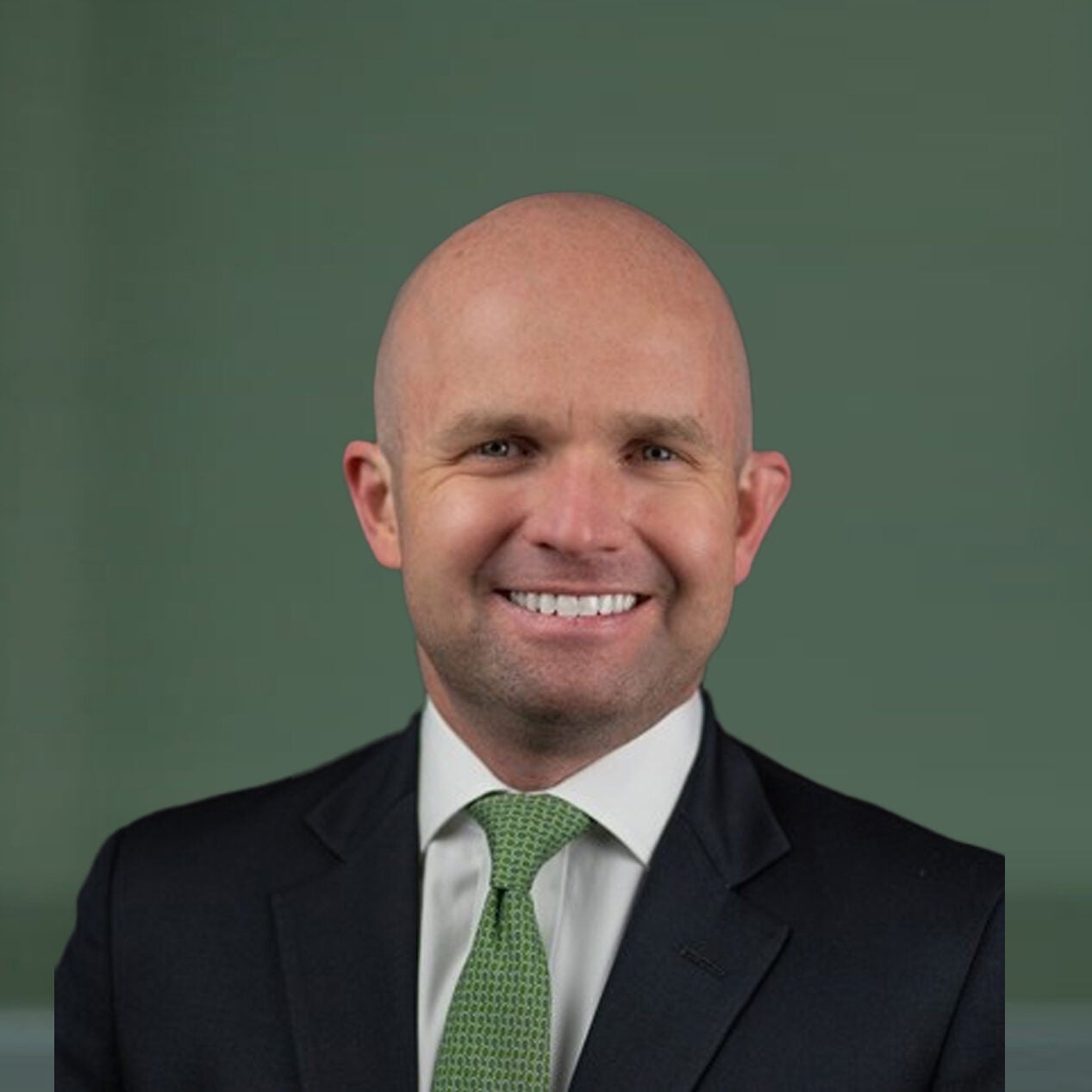
Trevor Johnson is Regional Director of Development, Southeast for National Philanthropic Trust. He has broad experience in financial services, fiduciary planning and administration, and working with HNW clients and their advisors. Trevor most recently served as Senior Counsel with Citi Private Bank in Tampa, and previously as a Trust Officer with BMO Private Bank in Chicago.
National Philanthropic Trust does not provide legal or tax advice. This material is for informational purposes only. The applicability of these strategies will vary based on individual circumstances, and readers of this communication should contact their lawyer to obtain advice with respect to any legal or tax matter.
The Philanthropist
Other Posts You May Like