Keeping the Tempo with Seattle Youth Symphony Orchestra
According to the National Institute of Health, early musical training, even briefly taken, can have a major positive impact on brain function throughout one’s life. From improved vocabulary knowledge and executive function to improved time management and problem-solving skills, early musical training creates strong and enduring neural connections between perception and action.
But not every student in the U.S. has equitable access to musical training. In some instances, available instruction may be intermittent. For many others, it’s nonexistent. More than 3 million students in the U.S. do not have access to musical training through school, and a further 2 million have zero access to any in-school arts programming at all. No art class, no music class, no theater, or dance.
This is where the Seattle Youth Symphony Orchestra (SYSO; pronounced “Sigh-So”) comes in.
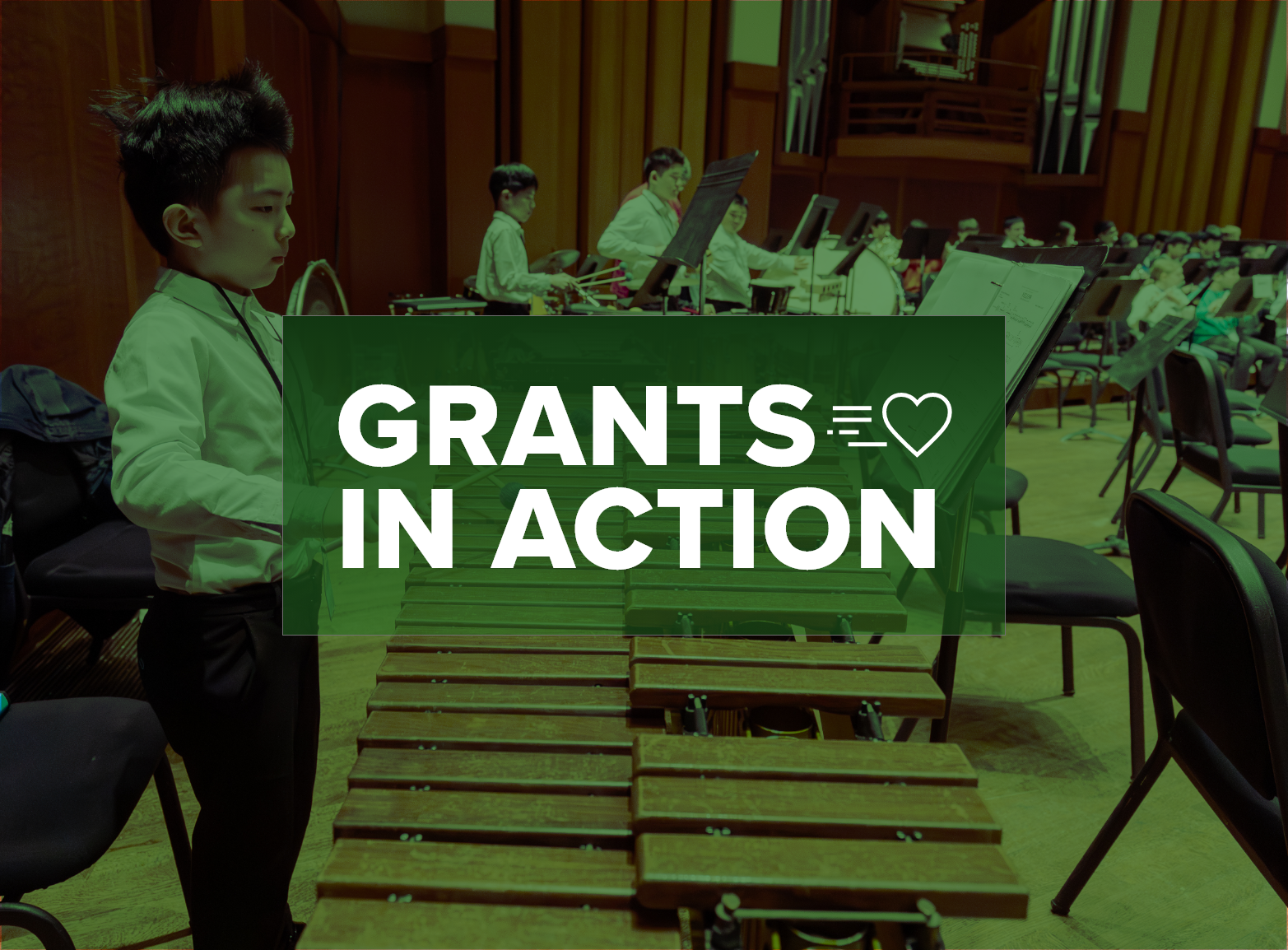
For more than 80 years, SYSO has opened doors for young people through exceptional music education, helping them grow as musicians, students, and members of a vibrant community. In 2024-25 alone, SYSO served over 1,300 students — representing 256 schools across 95 zip codes — and contributed over 430 instructional hours in schools. Through a wide range of programs and a deep commitment to equitable access, SYSO connects youth to the confidence, creativity, and sense of belonging that music can inspire.
“SYSO is a place where students are empowered, challenged, and supported simultaneously. It becomes this incubator for creative growth from which artistry, education, and community can stem,” says Melody Mikkelson, SYSO’s Executive Director.
Mikkelson continues, “Youth orchestras are this place of connection where aspiring musicians can have a pond that is bigger than their school to play in and meet other like-minded players. They receive insight into their potential futures before they make those big expensive decisions about what they’re doing after high school.”
Classical music often carries an aura of prestige that obscures the economic reality many musicians face today. Part of SYSO’s mission is to create a creative ecosystem where the traditionally perceived barriers between classical musicians and community members no longer exist, and where musicians feel supported by their communities.
“There are two big truths that we believe: that all students should have access to both the support and the tools to inspire them,” says Mikkelson. “With music, it’s the cost of the instruments, but also of the instruction, and studying with high-quality music educators, professional musicians, performers, and teaching artists.”
In addition to bringing together youth already invested in musical education and forging community connections, SYSO also strives to broaden access and sustain varied musical expertise through their Endangered Instrument program.
“For the Endangered Instruments program, SYSO instructors show up in the public schools to specifically support the less popular instruments, like the viola, string bass, oboe, bassoon, French horn and low brass, which are hard to teach,” Mikkelson explains. “No one single music educator in a public school can teach all of those. There aren’t so many, but those are the ones that give the sound to the orchestra, the ones you get scholarships on.”
Philanthropy — sans strings — enables organizations to pivot to meet the needs of their participants as they arise.
With DAFs, the fact that transformational gifts can come without those strings attached is huge.
But fundraising for a musical mission can sometimes struggle with uneven representation, with backstage positions being a blind spot for funding. These “behind the scenes” positions that contribute to a successful organization and mission are usually found under the umbrella of overhead. “You can generally find funding for the shiny performer on stage, but the performance on stage doesn’t happen without the stage managers and the venue booking and the rehearsals and all of that behind the scenes work that the organization puts in. We’re trying to do what we can to bust that overhead myth,” Mikkelson says.
Donor-advised funds (DAFs) have become excellent tools for holistic and unrestricted grantmaking, where the contributions often support overhead, covering the costs for artists working both on stage and behind the scenes.
“With DAFs, the fact that transformational gifts can come without those strings attached — and it’s so trusting of frontline staff, of the teachers, of the conductors who show up to support a school — is huge,” says Mikkelson. “We’re at a place where about 30% of our individual contributions are coming through DAFs and our individual support overall has been on the rise over the past few years.”
SYSO is a powerful investment in young people, where students are nurtured and inspired to reach their full potential. By fostering artistry, learning, and belonging all at once, it creates the kind of creative community where young musicians can grow into confident artists and all-around people.
About the Author
Kathryn Lena Kochanowicz is a Content Specialist at National Philanthropic Trust. She graduated from Gettysburg College with a degree in English Literature & Creative Writing, and currently resides in Hatboro, PA.
NPT is not affiliated with any of the organizations described herein, and the inclusion of any organization in this material should not be considered an endorsement by NPT of such organization, or its services or products.
NPT does not provide legal or tax advice. This blog post is for informational purposes only and is not intended to be, and shall not be relied upon as, legal or tax advice. The applicability of information contained here may vary depending on individual circumstances.
The Philanthropist
Other Posts You May Like